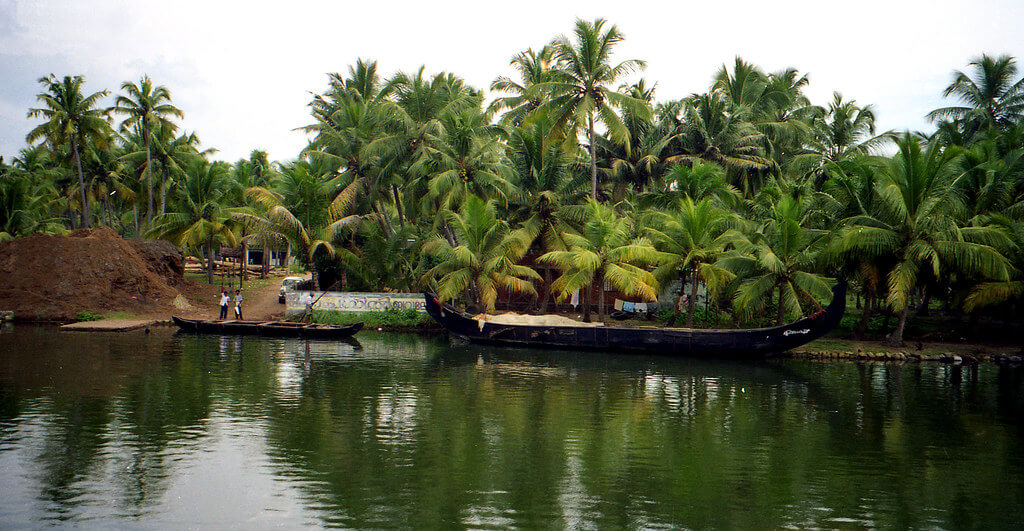
The Kerala backwaters are genuinely one of India's most unique experiences. But choosing the right houseboat, route and time of year makes all the difference. We'll help you navigate it all.
Drifting through Kerala's backwaters on a houseboat is one of those experiences that stays with you: coconut palms leaning over the water, paddy fields below the level of the canals, village life passing slowly by, and a fresh Kerala meal cooked on board. This guide explains where to go, how a houseboat trip actually works, what is usually included, and how to pick a safe, licensed boat so your cruise is relaxed from start to finish.
Alleppey is the best-known houseboat hub, with the widest choice of boats, from simple one-bedroom vessels to large luxury boats. Routes run through the Kuttanad region, often called the rice bowl of Kerala, and out onto parts of Vembanad Lake. The advantage is choice and easy access; the trade-off is that the main channels can feel busy in peak season.
Kumarakom sits on the eastern shore of Vembanad Lake, near Kottayam. It is quieter and more resort-focused, with many lakeside properties and a bird sanctuary nearby. Fewer houseboats operate from here, so cruises can feel more peaceful, and it pairs well with a resort stay.
For a first trip, Alleppey or Kumarakom are the easiest choices. You can read more about the region on our Kerala destination page.
A day cruise usually runs for a few hours around midday and includes lunch. It is a good option if you are short on time, travelling with very young children or simply want a taste of the backwaters.
An overnight cruise is the classic experience. You typically board around midday, cruise through the afternoon, moor for the evening and night, and return the next morning after breakfast. You see the backwaters at sunset and in the soft early light, which is when they are at their most beautiful.
Inclusions vary from boat to boat, so always confirm in writing before you pay. A typical overnight package includes:
Houseboats do not cruise through the night. Under local rules, boats usually stop and moor by early evening, partly so local fishermen can set their nets on the water. You spend the evening and night anchored at a quiet spot along the bank, then return to the starting jetty in the morning. This means your actual cruising time is mostly the afternoon of day one and a short stretch the next morning, so board on time to make the most of it.
Boats broadly fall into a few comfort levels:
Kerala's tourism department also runs a classification and certification scheme for houseboats, and you may see categories such as Gold Star, Silver Star or Green Palm (the last relating to more eco-friendly practices). Use these as a useful guide, alongside recent photos and a clear list of inclusions.
Rules and certification schemes are updated from time to time, so check current guidance from Kerala Tourism if you are unsure.
The most comfortable months are generally from around October to March, when the weather is pleasant and the skies are clearer. December and January are the busiest, so book early.
April and May are hot and humid, though cruises still run. The monsoon (roughly June to September) brings heavy rain, but the backwaters are wonderfully green and quieter. Boats usually keep running unless conditions are unsafe. If you want to see the famous snake boat races, these are usually held around August; confirm dates with Kerala Tourism.
A houseboat fits neatly into a wider Kerala circuit. A popular route is:
A week covers this comfortably. Our Kerala tour package from Cochin and Kerala family package follow similar routes, and there is also a fixed departure from Delhi if you prefer a group trip.
For most travellers, yes. One night gives you an afternoon of cruising, a sunset, a quiet night on the water and a morning return. Choose two nights only if you want a very slow, restful break.
Often not. Many boats run AC in the bedrooms only at night. This varies by boat and class, so confirm the hours before booking.
Usually yes. Kerala vegetarian cooking is excellent, and most cooks can prepare vegetarian or simple Jain-style meals if you tell them in advance.
Generally yes, on a well-maintained, licensed boat with proper life jackets. Ask about steps and railings, and choose a ground-floor bedroom for older travellers.
Alleppey has more choice and busier routes; Kumarakom is quieter and pairs well with a lakeside resort. Both are lovely; pick based on the pace you want.
Planning your Kerala trip? Explore our Kerala guide, browse the family package, or contact our team to add a houseboat night to your itinerary.
Had a great trip booked through us? Your review helps thousands of travellers make the right choice.
Write a Google ReviewTakes less than 1 minute · Helps real travellers like you
 ✈
✈