Dubai can be overwhelming for first-timers — which area to stay in, how to get around, what to do on a budget vs. splurge, and how to respect local customs. Everything you need before you land.
Dubai is one of the easiest first international trips you can take from India. Flights are short, the city is clean and well organised, English is widely spoken and you will find Indian food on almost every street. Still, a little planning goes a long way. This guide covers where to stay, how to get around, what to see, when to go and a simple four-day plan you can adapt.
Dubai is spread out, so the area you choose shapes your whole trip. Here are the four areas most first-time visitors pick from.
This is old Dubai, on either side of Dubai Creek. Hotels here are usually the most budget-friendly, the souks are on your doorstep, and Indian restaurants are everywhere. It is well connected by Metro. The trade-off is that it is busier and less polished than the newer areas.
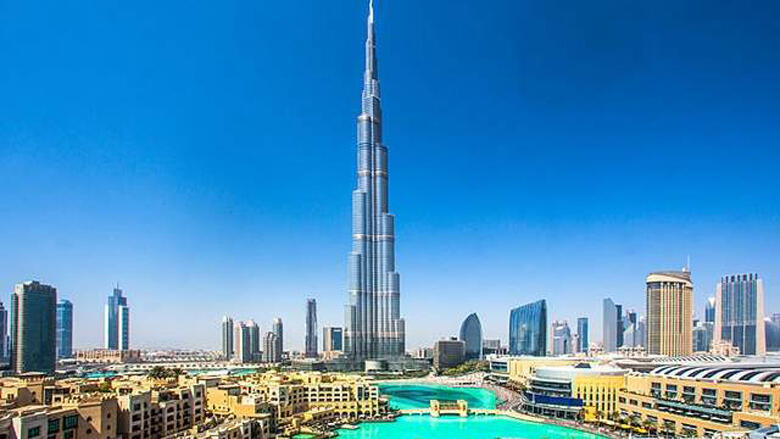
Home to the Burj Khalifa, Dubai Mall and the Dubai Fountain. Staying here puts the big sights within walking distance, which is lovely in the evenings. Expect higher hotel rates than in older parts of the city.
A waterfront district of tall towers, cafes and a long promenade. Good for couples and anyone who wants evening walks and a dhow cruise close by. It is further from Old Dubai, but the Metro and tram link it to the rest of the city.
Right next to the Marina, JBR is the beach option. Families like it for The Walk, the open public beach and the easy-going atmosphere. It suits travellers who want beach time as part of their holiday.
The Dubai Metro is clean, air-conditioned and the easiest way to cover long distances. The Red Line runs along Sheikh Zayed Road past the airport, Downtown and the Marina, while the Green Line serves the Creek area. To ride, you need a Nol card, which works on the Metro, buses, tram and water buses. You can buy and top it up at stations. There is a Gold Class carriage and a section reserved for women and children, so check the signs on the platform.
Taxis run by the Roads and Transport Authority (RTA) are metered and plentiful. Ride-hailing apps also work in Dubai. Taxis are the simplest way to reach places the Metro does not cover, such as some beaches and hotels on Palm Jumeirah.
The traditional wooden abra across Dubai Creek is one of the cheapest and most charming rides in the city. It links the Deira and Bur Dubai souks in a few minutes.
Dubai has a hot desert climate. Winter is pleasant, summer is very hot and humid. The table below is a general guide; actual conditions vary year to year.
| Months | What to expect | Good for |
|---|---|---|
| November to February | Warm days, cool evenings, little rain | Sightseeing, desert safari, outdoor dining, Global Village |
| March and April | Warming up, still comfortable in the mornings and evenings | Beaches, outdoor sights before midday |
| May and October | Hot during the day, humid at times | Shoulder-season travel, indoor attractions |
| June to September | Very hot and humid, often well above 40°C at midday | Malls, indoor theme parks, hotel stays; plan outdoor trips for early morning or evening |
Check in and rest. In the evening, head to Dubai Mall, watch the Dubai Fountain and, if you have booked it, go up the Burj Khalifa.
Spend the morning in Al Fahidi and the Dubai Museum area, take an abra across the Creek and browse the Gold and Spice Souks. Your desert safari pick-up is usually in the afternoon, returning late evening.
Visit the Dubai Frame in the morning, relax at JBR beach after lunch, then take a dhow dinner cruise in Dubai Marina.
Use the last day for a theme park, Palm Jumeirah, Global Village (in season) or last-minute shopping, depending on your flight time.
Yes, most Indian passport holders need a UAE visa before travel, although some may be eligible for a visa on arrival. Our UAE visa guide explains the options.
Four to five days covers the main sights at a comfortable pace. Add a day or two if you want Abu Dhabi or a theme park.
Very. Indian vegetarian restaurants are common, especially in Bur Dubai and Karama, and most hotels and safari camps can arrange vegetarian meals if you ask in advance.
The UAE dirham (AED). Cards are widely accepted, but keep some cash for souks, abras and small purchases.
Dubai is generally considered a safe city for families and women. Use normal precautions, as you would anywhere.
When you are ready, explore our Dubai destination page, see our Dubai tour packages or the Dubai fixed departure tour from Delhi, and apply for your UAE visa online. Questions? Talk to our team.
Had a great trip booked through us? Your review helps thousands of travellers make the right choice.
Write a Google ReviewTakes less than 1 minute · Helps real travellers like you
 ✈
✈